
Unit of Bala Mandir Kamaraj Trust
18 to 24 Months
The Active Toddler
Parenting Tips!
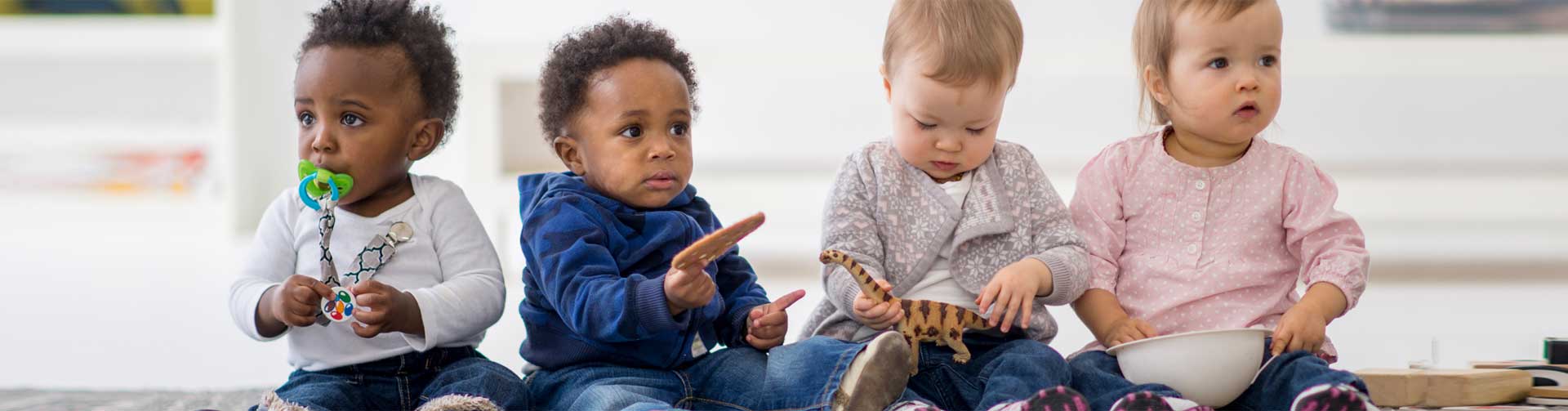
- Toddlers transition from solitary to parallel play – playing adjacent to each other without interaction.
- Toddlers have abundant energy, and need outlets for it.
- Toddlers become more independent, attempting self-care tasks on their own.
WHAT
Toddlers become more self-reliant, attempting self-care tasks like feeding and dressing/undressing, albeit slowly and with mistakes.
WHY
Toddlers seek independence and need practice to develop their skills. They assert themselves as they become more self-reliant.
HOW
Allow your toddler to practice self-care skills when you're not rushed, ensuring a calm environment. Praise their efforts and be supportive during tantrums, as feeling safe and valued is crucial for their learning.
WHAT
Toddlers engage in various physical activities like running, jumping, pushing, and pulling. They can express basic needs such as hunger, thirst, and tiredness, and may indicate when they need to use the toilet.
WHY
Toddlers have abundant energy and need outlets for it. They are refining their gross motor skills and muscle control, which aids in toilet training.
HOW
Provide ample opportunities for supervised indoor and outdoor play. Encourage helpful habits lie tidying-up and sharing. For toilet training, start by being alert to your toddler's readiness cues, such as pulling at a wet diaper, or showing interest in the potty. Use diapers sparingly, mainly for sleep or outings.
WHAT
Toddlers often enjoy the company of friends but typically engage in parallel play, sitting and playing beside each other without much interaction.
WHY
At this stage, toddlers primarily engage in parallel play, as they are not yet ready for interactive sharing. They also begin to form preferences for certain people beyond their primary caregivers.
HOW
Continue to be an active playmate by engaging with your toddler at their level. This interaction helps strengthen your bond and supports their social development.
WHAT
Toddlers learn by experimenting and sorting, discovering concepts like textures, shapes, and sizes.
WHY
Toddlers are purposeful and eager to learn, driven by curiosity about how things work. They begin to classify objects by characteristics like wet/dry or rough/smooth, laying the groundwork for scientific understanding.
HOW
Provide opportunities for exploration through diverse play experiences. Support their learning by engaging in conversations, asking questions, and naming objects as they sort.
WHAT
Toddlers enjoy music and singing, and their vocabulary and communication skills are expanding as their shyness decreases.
WHY
Music and singing stimulate various brain areas, teaching rhythm and rhyme, and improving pronunciation and comprehension.
HOW
Engage in daily music activities with your toddler, such as singing or creating homemade instruments. Enhance their vocabulary by naming everyday objects and actions.
Health & Hygiene
- Food Safety: Avoid giving your toddler high-risk foods such as raw or undercooked eggs, meat, or seafood, and unwashed fruits and vegetables. Always follow proper food handling practices.
- Monitoring Development: Regularly track your toddler’s weight, growth, and developmental milestones to ensure they are progressing healthily.
- Medical Care: If your toddler becomes ill, consult a healthcare provider promptly. Avoid using over-the-counter medicines or home remedies without professional advice.
Nutrition
- Meal Structure: Provide three healthy meals a day, plus one or two snacks. Toddlers can eat the same food as the rest of the family, making meals a shared experience.
- Dietary Balance: Ensure a balanced diet with a variety of fruits, vegetables, grains, protein, and dairy.
- Weaning from Breast Milk: Gradually wean your child off breast milk by two years of age. Natural or child-led weaning allows your child to stop feeding when they no longer have an emotional or nutritive need.
Safety
- Home Safety: Ensure your home is child-proofed to prevent accidents. Create safe spaces for your toddler to move around in, free from obstructions and hazards.
- Secure Hazardous Items: Keep dangerous objects such as knives, plastic bags, matchboxes, razors, and cleaning supplies out of reach.
- Supervision: Always supervise your toddler closely, especially in public places or near water bodies like swimming pools.
- Choking Hazards: Avoid giving your toddler hard candy, nuts, or any food that poses a choking risk – opt for soft, easy-to-chew foods.
Special Attention
Consult your doctor if, by two years, your toddler shows any of the following signs of possible developmental delay:- Does not walk or climb stairs independently by 18-24 months.
- Is unable to say a few simple words or does not use language to communicate effectively.
- Cannot identify common household objects, pictures in a book, or people by name.
- Cannot follow simple instructions, such as “pick up your toy”.
- Is excessively focused on a few activities, ignoring people and events around them for extended periods.